
Transform Your Health with Vegan Nutrition
A comprehensive guide from expert dietitians to help you thrive on a plant-based diet. Discover the science, practical strategies, and delicious approaches to sustainable vegan eating.
Core Principles of Plant-Based Nutrition
Master the essential elements that make vegan eating both nutritionally complete and sustainable for long-term wellness.
Whole Food Foundation
Build your diet around minimally processed plant foods: vegetables, fruits, whole grains, legumes, nuts, and seeds. These nutrient-dense foods provide fibre, vitamins, minerals, and phytonutrients essential for optimal health. Prioritise variety to ensure a broad spectrum of nutrients.
Balanced Macronutrients
Include adequate protein, healthy fats, and carbohydrates at each meal. Plant-based proteins include legumes, tofu, tempeh, seitan, and nuts. Incorporate omega-3 sources like flaxseeds, chia seeds, walnuts, and algae. Complex carbohydrates provide sustained energy and satiety.
Smart Supplementation
Certain nutrients require attention on a vegan diet: vitamin B12 (essential from fortified foods or supplements), vitamin D, iodine, and omega-3s. Working with a dietitian ensures you meet all nutritional needs. Strategic supplementation bridges any dietary gaps effectively.
Mindful Meal Planning
Plan meals that combine proteins, healthy fats, and carbohydrates for sustained energy and satisfaction. Batch cook grains and legumes, prepare vegetable sides, and keep nutrient-rich staples available. Intentional planning prevents nutrient deficiencies and supports consistency.
Nutrient Absorption Strategies
Maximise bioavailability of plant nutrients through proper preparation: soaking legumes, sprouting grains, and combining foods wisely. Vitamin C enhances iron absorption from plant sources. Healthy fats improve fat-soluble vitamin absorption. Understanding food synergies optimises nutritional benefit.
Long-Term Sustainability
Adopt eating patterns you can maintain indefinitely. Include foods you genuinely enjoy, build a repertoire of satisfying recipes, and adapt vegan nutrition to your lifestyle and preferences. Sustainable vegan eating is about progress, not perfection or restriction.
The Science Behind Plant-Based Eating
Research demonstrates that well-planned vegan diets support excellent health outcomes. Plant-based eating is associated with favourable effects on weight management, blood pressure regulation, and overall cardiovascular function. The high fibre content supports digestive wellness and metabolic balance.
Beyond individual wellness, plant-based nutrition is inherently sustainable for the planet. It reduces environmental impact and supports ethical food choices. Transitioning to vegan eating aligns personal health goals with broader environmental responsibility.
Whether motivated by wellness, ethics, or sustainability, vegan nutrition works best when grounded in solid dietary knowledge. Our comprehensive guides provide the scientific foundation and practical strategies to thrive on a plant-based diet for years to come.
Read Our Detailed Guides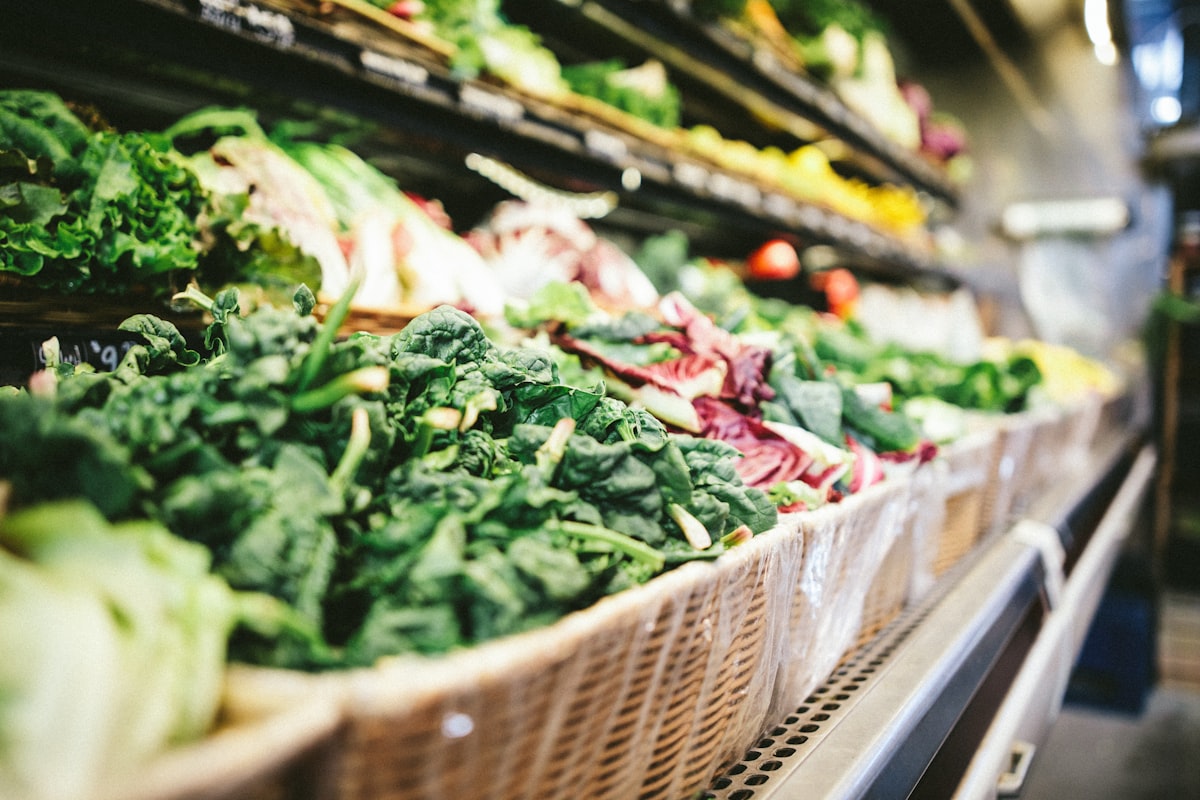
Your Path to Vegan Nutrition Success
Follow these evidence-based steps to build a nutritionally adequate and personally satisfying vegan diet.
Educate Yourself
Learn which plant foods provide complete proteins, where to find key vitamins and minerals, and how to read nutrition labels. Understanding nutrient sources empowers you to make informed food choices. Review our detailed guides on vegan nutrition essentials.
- Master protein combining strategies
- Identify B12 and mineral sources
- Learn label reading techniques
Plan Your Meals
Develop a practical meal plan that includes diverse, nutrient-dense whole foods you enjoy. Plan weekly menus, create shopping lists, and prep ingredients in advance. Consistency in planning prevents nutritional gaps and supports adherence to your vegan eating pattern.
- Build varied weekly meal templates
- Practise batch cooking and prepping
- Keep emergency meals available
Monitor & Adapt
Check in with how you feel physically and mentally. Track energy levels, digestion, and overall satisfaction with your meals. Make adjustments based on your individual response and preferences. Ongoing assessment ensures your vegan diet remains balanced and enjoyable long-term.
- Notice energy and digestive patterns
- Adjust portions and food choices
- Seek guidance from nutrition experts
What You'll Gain from Plant-Based Nutrition
Comprehensive benefits across physical wellness, environmental impact, and personal alignment.
Enhanced Energy & Vitality
Whole plant foods provide sustained energy from complex carbohydrates and minerals. Many people report improved stamina, mental clarity, and reduced afternoon energy crashes after transitioning to plant-based eating.
Improved Digestive Wellness
The high fibre content of plant-based foods supports healthy digestion and beneficial gut bacteria. Many experience improved regularity, reduced bloating, and better overall digestive function.
Weight Management Support
Plant-based diets are naturally lower in calorie density while high in nutrients and satiety-promoting fibre. Whole plant foods support sustainable weight management without restrictive calorie counting.
Better Food Cost Efficiency
Legumes, whole grains, and seasonal vegetables are among the most affordable nutrient sources. Plant-based eating often reduces overall food expenses compared to animal product-heavy diets.
Environmental Responsibility
Plant-based diets significantly reduce your environmental footprint, requiring fewer resources and producing lower greenhouse gas emissions compared to animal agriculture.
Ethical Alignment
Plant-based eating reflects values of compassion and non-harm. Many find deep personal satisfaction in making food choices aligned with their ethical beliefs and principles.
Diverse Culinary Exploration
Vegan eating opens doors to cuisines and ingredients you might never have explored. Discover traditional plant-based dishes from cultures worldwide and develop broader cooking skills.
Community Connection
Join a growing community of people making similar choices. Connect with others for recipe sharing, support, and shared values around health, ethics, and sustainability.
Delicious Meal Inspirations
Explore diverse, nutrient-dense plant-based meals that prove vegan eating is flavourful and satisfying.

Protein-Rich Buddha Bowls
Combine whole grains, legumes, roasted vegetables, nuts, and seeds in nutrient-dense bowls. Perfect for meal prep and customisable to your preferences.
View Recipes
Creamy Plant-Based Pasta
Explore luscious sauces made from cashews, nutritional yeast, or silken tofu. Satisfy cravings whilst maintaining nutritional balance and enjoying familiar comfort foods.
View Recipes
Hearty Legume Stews
Warming soups and stews built on lentils, beans, and seasonal vegetables. Packed with protein, fibre, and minerals for sustained satiety and comfort.
View Recipes
Vibrant Stir-Fries & Curries
Quick, flavourful one-pan meals featuring tofu or tempeh with abundant vegetables. These versatile dishes support quick meal preparation during busy schedules.
View Recipes
Nourishing Smoothie Bowls
Blended plant-based milk, fruit, nuts, and seeds create satisfying breakfast options. Top with granola, seeds, and fresh fruit for complete nutrition.
View Recipes
Fresh Salads with Staying Power
Build salads featuring substantial ingredients like whole grains, legumes, nuts, and seeds alongside fresh vegetables. Satisfying meals not as side dishes.
View RecipesCommon Questions About Vegan Nutrition
Answers to help you understand plant-based eating and overcome common concerns.
Absolutely. Plant-based proteins include legumes (lentils, chickpeas, beans), tofu, tempeh, seitan, nuts, seeds, and whole grains. By combining varied protein sources throughout the day and ensuring adequate total food intake, you can easily meet or exceed protein requirements. A dietitian can help you develop a protein-adequate meal plan tailored to your needs and preferences.
Supplements are generally not necessary on a yoga diet if you're eating a well-planned, balanced variety of whole foods. However, certain supplements may be beneficial depending on your individual needs, dietary restrictions, and health status. Common considerations include:
- Vitamin B12: Essential if you follow a vegan or vegetarian diet, as B12 is primarily found in animal products.
- Vitamin D: Particularly important if you have limited sun exposure or live in northern climates.
- Iron: May be needed if you're vegetarian/vegan or have been diagnosed with iron deficiency.
- Omega-3 Fatty Acids: Consider an algae-based supplement if you don't eat fish regularly.
- Calcium: Important if you avoid dairy; plant-based sources may not provide sufficient amounts.
Always consult with your healthcare provider or registered dietitian before starting any supplementation regimen to ensure it's appropriate for your individual needs.
Meal timing plays a significant role in optimizing your yoga practice and overall comfort during sessions. Here are key guidelines:
- Heavy Meals: Wait 3-4 hours after eating a large meal before practicing yoga to avoid discomfort and digestion issues.
- Light Snacks: Can be consumed 30-60 minutes before practice if needed for energy.
- Post-Practice Nutrition: Eat within 30-60 minutes after yoga to replenish energy and support muscle recovery.
- Hydration: Drink water throughout the day and sip before practice; avoid large fluid intake immediately before.
- Morning Practice: A light snack or herbal tea before dawn yoga can help stabilize blood sugar and energy levels.
Listen to your body and adjust timing based on how you feel. Individual digestion rates vary, so experimentation will help you find your optimal schedule.
Yes, a yoga diet combined with regular yoga practice can support healthy weight management. The principles of mindful eating, whole foods, and proper portion control create a sustainable foundation for maintaining a healthy weight:
- Mindful Eating: Reduces overeating and promotes better food choices through conscious awareness.
- Whole Foods: Natural satiety from fiber and nutrients means fewer calories consumed overall.
- Balanced Nutrition: Stable blood sugar and consistent energy prevent cravings and energy crashes.
- Regular Yoga: Builds lean muscle, increases metabolism, and promotes body awareness.
- Stress Reduction: Yoga and meditation lower cortisol levels, reducing stress-related eating.
Weight management is best approached holistically—combining a nutritious yoga diet, consistent practice, adequate sleep, and stress management. Consult a healthcare provider for personalized guidance.
Real Stories from Our Community
Sarah Mitchell
Yoga Enthusiast, 6 months
"Following the yoga diet guide has completely transformed my practice. I have more energy, better flexibility, and I feel so much more grounded. The mindful eating approach has helped me develop a healthier relationship with food."
James Robinson
Fitness Coach, 4 months
"I combined the yoga diet with my regular practice and saw incredible results. My digestion improved, my muscle recovery is faster, and I feel more balanced both physically and mentally. Highly recommended!"
Emma Chen
Health Coach, 8 months
"The comprehensive guide made it so easy to understand how nutrition supports my yoga journey. I've recommended it to all my clients. The information is evidence-based and practical!"
Marcus Khan
Studio Owner, 10 months
"As a studio owner, I've shared this guide with my students. The results speak for themselves—better attendance, happier students, and improved practice quality. It's a game-changer!"
Start Your Yoga Diet Journey Today
Transform your practice and discover the power of mindful nutrition. Join thousands of yogis who have already experienced the benefits.
Yogadietguideflow
Empowering your yoga journey through mindful nutrition and holistic wellness.